New Jersey summers are meant for barbecues, pool time, and relaxing outdoors —
not constantly swatting mosquitoes. Unfortunately, NJ’s humidity, wooded
neighborhoods, and standing water make backyards a mosquito magnet.
The good news? You don’t need harsh chemicals to take control.
Below are proven, all-natural and environmentally responsible ways
to reduce mosquito activity — plus when it makes sense to call in professionals.
1. Eliminate Standing Water (The #1 Mosquito Source)
Mosquitoes lay eggs in stagnant water. Even a small amount — like the water in a
flowerpot saucer — can generate dozens of mosquitoes in days.
- Empty and refresh birdbaths and pet bowls every few days
- Clear clogged gutters and downspouts
- Cover rain barrels tightly
- Avoid overwatering lawns and landscaping
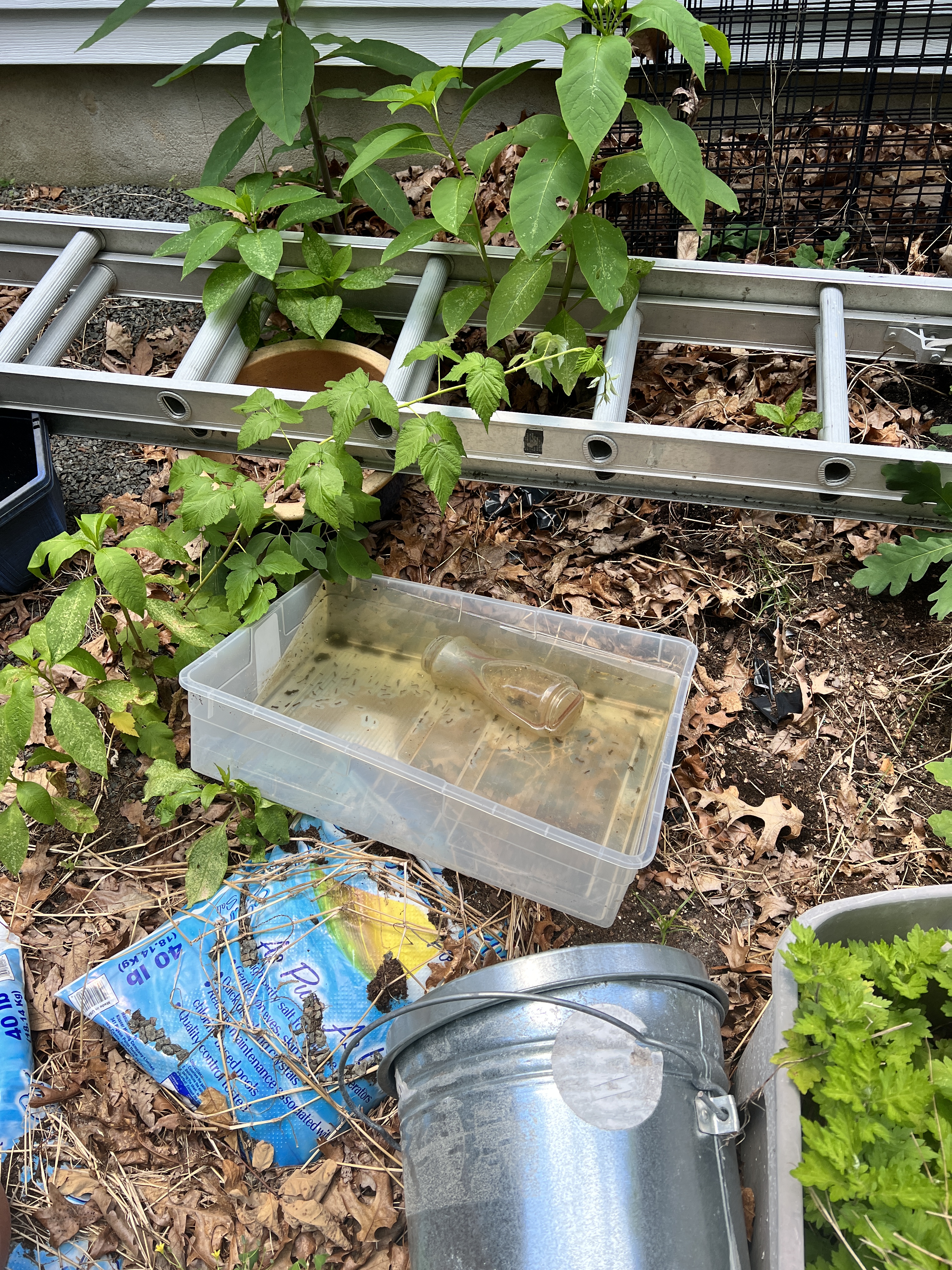
“We had no idea how much water was collecting around the yard. Once it was addressed,
the mosquito problem noticeably improved within a week.”
— Marlboro, NJ Homeowner
2. Maintain Your Yard to Remove Mosquito Hiding Spots
Mosquitoes rest during the day in shaded, humid areas like tall grass, dense shrubs,
and leaf piles — all common in New Jersey landscapes.
- Keep grass mowed and trimmed regularly
- Prune bushes and shrubs away from seating areas
- Remove leaf litter and yard debris

“After cleaning up the shrubs and getting regular treatments,
we finally felt comfortable sitting outside again.”
— Freehold, NJ
3. Use Natural Mosquito Repellents
Certain scents disrupt a mosquito’s ability to find people. Natural repellents can be
effective when used properly.
- Citronella: Candles, torches, or plants around patios
- Lemon eucalyptus oil: One of the most effective plant-based repellents
- Essential oil blends: Lavender, peppermint, lemongrass (always diluted)

4. Add Mosquito-Repelling Plants
While plants alone won’t eliminate mosquitoes, they can help reduce activity near patios
and seating areas.
- Marigolds
- Lavender
- Basil
- Catnip
- Lemon balm

5. Encourage Natural Mosquito Predators
Nature has its own mosquito control system — birds, bats, and dragonflies all feed on mosquitoes.
- Bats: Install bat houses away from seating areas
- Birds: Attract swallows and purple martins
- Dragonflies: Thrive near ponds and water features
When Natural Steps Aren’t Enough
In many New Jersey yards, especially near woods or wetlands, mosquitoes require a more
comprehensive approach. That’s where professional mosquito control makes the difference.
- All-natural, EPA Section 25(b) minimum-risk treatments
- Targeted for NJ mosquito species
- Safe-focused for families, pets, and pollinators
“After years of trying DIY solutions, Bite Back completely changed our summers.
We can finally use our backyard again.”
— Manalapan, NJ

Enjoy a mosquito-free yard — naturally.
Call 732-333-3379 or visit
bitebacktick.com
for a free mosquito control quote.
The Weekly Bite
Get 5 fresh yard-defense reads every Wednesday
Tick and mosquito intel for North Jersey yards. No spam, unsubscribe anytime.