Every spring, one of the most extraordinary wildlife migrations on Earth quietly
unfolds above our heads. Monarch butterflies travel thousands of miles from their
wintering grounds in Mexico to breeding areas across the United States — including
New Jersey. This journey is remarkable, fragile, and increasingly threatened.
A Multi-Generation Journey Unlike Any Other
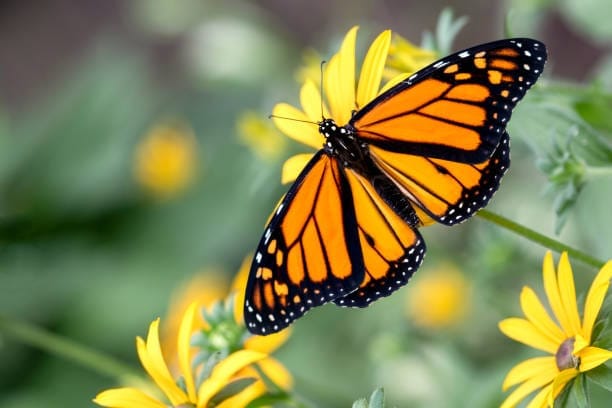
Monarch butterflies (Danaus plexippus) do not complete their migration in
a single lifetime. Instead, it takes multiple generations to reach
the northern United States. The butterflies that arrive in New Jersey each spring
are the distant descendants of those that overwintered in the mountains of central Mexico.
As temperatures rise and daylight increases, Monarchs instinctively move north in
search of suitable breeding grounds — places where milkweed grows in abundance and
nectar sources are available.
Why Milkweed Is Critical to Monarch Survival
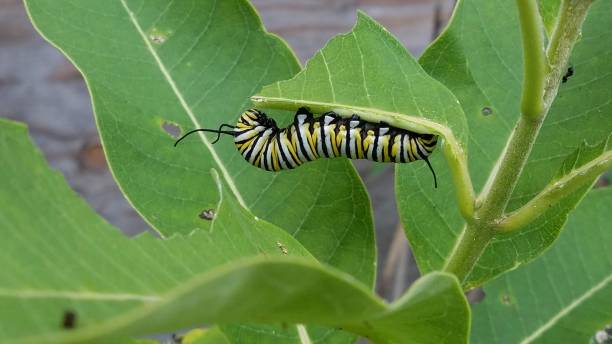
Milkweed is not optional for Monarchs — it is essential. Female Monarch butterflies
lay eggs only on milkweed plants, and Monarch caterpillars feed exclusively on
milkweed leaves. Without it, the species cannot reproduce.
Unfortunately, milkweed availability has declined sharply due to:
- Habitat loss from development
- Widespread herbicide use
- Roadside and lawn over-management
- Climate-driven ecosystem changes

The Hidden Threat: Chemical Pesticides
Traditional pest control products often rely on synthetic chemicals designed to kill insects.
While effective against pests, these substances rarely discriminate. Beneficial insects —
including Monarch butterflies, bees, and other pollinators — are frequently harmed.
Beyond direct exposure, chemical pesticides can:
- Contaminate soil and groundwater
- Reduce nectar and host plant health
- Persist in ecosystems longer than intended
- Disrupt natural predator balance
How Homeowners and Businesses Can Help Monarchs
Supporting Monarch butterflies does not require large land tracts — small actions,
when repeated by many people, create meaningful change.
- Plant native milkweed and nectar-rich flowers
- Reduce or eliminate synthetic pesticide use
- Choose pollinator-conscious pest control methods
- Allow portions of properties to grow naturally
- Support conservation and habitat restoration programs
Education and Awareness Matter
Raising awareness is a critical piece of Monarch conservation. Community education,
schools, and citizen science programs help track populations and influence protective
policies at the local and state level.
When people understand the role Monarchs play in our environment, they are more likely
to make choices that protect them.
Sustainable Pest Control and Pollinator Protection
At Bite Back Tick & Mosquito Control, we believe pest management and environmental
responsibility can coexist. By focusing on EPA Section 25(b) minimum-risk products,
we help reduce tick and mosquito pressure while minimizing harm to pollinators
and beneficial wildlife.
Protecting families does not require sacrificing ecosystems — thoughtful, transparent
approaches make both possible.