
temperatures drop, several species can survive cold weather and remain active any time temperatures reach 32°F or higher.
Because ticks carry serious diseases like Lyme disease, Rocky Mountain spotted fever, and
Powassan virus, protecting your family during the colder months is just as important as it is in the summer.
With proper precautions, natural tick-prevention methods, and professional treatments from
Bite Back Tick & Mosquito Control, you can keep your yard and loved ones safe all year long.

Tick Activity During Winter & Early Spring
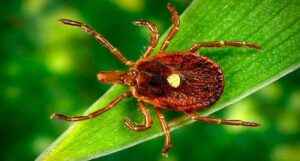
Ticks are most active from spring through fall, but in New Jersey, they can survive throughout the winter. On days when temperatures
rise above freezing, ticks — especially blacklegged (deer) ticks and lone star ticks — can become active
and search for hosts.
Wildlife activity also plays a major role. Areas with deer, mice, squirrels, or other mammals remain high-risk even in winter because
ticks stay insulated in leaf litter, brush, and shaded areas until a warm day allows them to quest for a blood meal.
How to Avoid Ticks in Winter & Early Spring
You can prevent winter tick bites by taking the same precautions recommended during the warmer months:
- Wear long sleeves, long pants, and light-colored clothing.
- Apply natural tick repellent (cedarwood, lemongrass, peppermint, or rose geranium oil).
- Stay on cleared trails and avoid tall grass, brush, and leaf litter.
- Perform full tick checks after outdoor activities — especially on children and pets.
- Keep pets on a leash and inspect them before entering the home.

All-Natural Ways to Treat & Repel Ticks
If you or your pet comes into contact with a tick, natural options can help reduce the risk of infection:
- Use a tick-removal tool to remove the tick cleanly without leaving mouthparts behind.
- Clean the bite area with rubbing alcohol or soap and water.
- Apply natural repellents like cedarwood, lemon eucalyptus, or vinegar to clothing and gear.
- Use essential-oil blends on exposed skin to reduce tick attraction.
Avoid harsh chemical repellents and synthetic pesticides when natural alternatives can offer safer protection for your family and pets.

Professional All-Natural Tick & Mosquito Control
For true peace of mind, homeowners across New Jersey trust
Bite Back Tick & Mosquito Control. Unlike companies that rely on toxic pyrethroid pesticides,
Bite Back uses 100% all-natural essential-oil-based treatments that are:
- Safe for children
- Safe for pets
- Safe for bees & butterflies
- Environmentally friendly
Our trained technicians inspect your property, eliminate standing-water sources, treat tick hotspots, and apply natural repellents that
reduce tick populations without harming beneficial wildlife.

Conclusion
Ticks are not just a summer problem — they are active throughout winter and early spring in New Jersey. By taking precautions, using
natural repellents, and partnering with Bite Back Tick & Mosquito Control, you can keep your yard safe all year long.
Don’t wait for a tick bite.
Contact Bite Back Tick & Mosquito Control today for
New Jersey’s leading all-natural tick and mosquito treatments.